.jpg?width=960&length=960&name=Senior-woman-suffering-from-in%20(1).jpg)
To understand how to fix loss of appetite due to anxiety, start by identifying the triggers that affect eating. Eating smaller, more frequent meals and choosing nutrient-dense, easy-to-digest foods helps restore energy. Seeking social support during meals and staying hydrated supports overall health and encourages consistent eating.
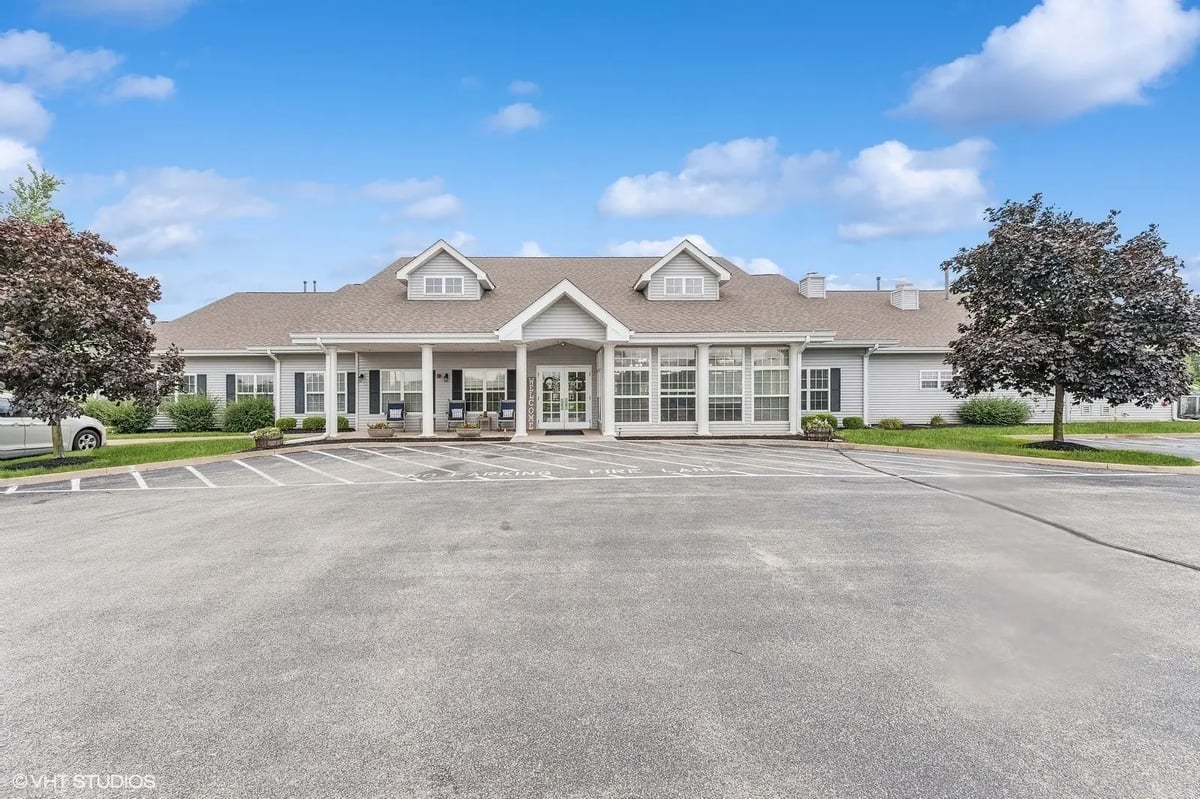
The Illinois Department on Aging reports that nearly one in four adults aged 65 and older skips or reduces meals. Living alone can make appetite loss worse, increasing nutrition and health risks. Digby Place Assisted Living in Lafayette, IN, provides compassionate, personalized care in a welcoming environment.
Residents benefit from individual care plans and a variety of engaging activities. Outings, arts, games, and social events encourage interaction and improve mealtime enjoyment while supporting wellness.
How Do You Deal With Extreme Anxiety?
Extreme anxiety can interfere with daily routines, sleep, and your interest in food. Recognizing when stress affects your eating patterns is an important first step. Activities that help calm the mind include:
- Gentle breathing exercises
- Light physical activity
- Brief walks
- Stretching
- Mindfulness meditation
Maintaining regular schedules, quiet moments, or hobbies reduces tension and supports healthy emotional eating habits. Avoid skipping meals, even when anxious, and note any triggers that reduce your desire to eat. Addressing anxiety early helps prevent long-term nutrition issues and supports both physical and emotional well-being.
At What Age Does Your Appetite Decrease?
Appetite naturally changes with age, often becoming smaller or less frequent in later years. Many adults notice reduced hunger in their 60s and beyond, which can affect nutrient intake. Factors include:
- Slower metabolism
- Medications
- Changes in taste and smell
- Reduced physical activity
- Dental or chewing difficulties
Monitoring weight, meal patterns, and energy levels can indicate potential senior appetite loss. Early awareness allows adjustments to meal size, frequency, and nutrient content, helping maintain health.
How to Fix Loss of Appetite Due to Anxiety: Practical Tips for Seniors
Older adults can restore appetite by combining simple routines with supportive habits. Addressing stress, meal structure, and hydration improves both eating enjoyment and overall well-being.
Identify Anxiety Triggers Affecting Your Appetite
Notice situations or emotions that reduce your interest in food. Common triggers in seniors include:
- Loneliness
- Pain
- Overwhelming schedules
- Fatigue
- Medication side effects
Tracking these triggers helps you recognize patterns and prevent skipped meals. Addressing underlying causes can improve appetite naturally and support consistent nutrition.
Awareness allows for targeted strategies, creating practical routines, and providing effective anxiety support in aging. By identifying what affects your desire to eat, you can regain control over meals and maintain energy and overall health.
Eat Smaller, More Frequent Meals Throughout the Day
Smaller portions reduce the pressure to finish large meals, making eating less stressful. Eating more frequent meals helps maintain energy levels and prevents fatigue throughout the day. Healthy snacks between meals, such as yogurt, fruit, or nuts, provide essential nutrients and calories.
Consistent meal timing creates a predictable routine that encourages regular eating and strengthens appetite. These strategies gradually improve hunger cues and help you feel more comfortable and confident during mealtimes. Over time, they support long-term mealtime wellness in assisted living and overall nutrition for seniors.
Choose Nutrient-Dense Foods That Are Easy to Digest
Opt for foods high in:
- Protein
- Fiber
- Vitamins
- Healthy fats
- Minerals
Soups, smoothies, and soft-cooked vegetables are easier to eat when appetite is low. Adding flavor with herbs or spices can make meals more appealing and enjoyable.
Nutrient-dense options provide essential calories even in smaller portions. Prioritizing digestible, healthy foods helps maintain nutrition, stress balance, and supports consistent energy levels.
Seek Social Support During Meals
Sharing meals with friends, family, or other residents encourages consistent eating. Social interaction provides comfort, reduces loneliness, and increases interest in food. At Digby Place Assisted Living, we encourage our residents to join group dining, cooking activities, and social meals to make eating enjoyable.
Feeling connected during meals can restore appetite and help establish positive eating patterns. Consider joining us to share meals, build friendships, and support long-term emotional eating habits while promoting overall wellness.
Stay Hydrated to Support Overall Health
Adequate hydration helps:
- Digestion
- Energy
- Appetite
- Focus
- Mood
Drinking water, herbal teas, or diluted juices throughout the day keeps the body functioning well. Limiting caffeine or sugary drinks prevents dehydration and reduces tension.
Proper hydration supports metabolism, aids digestion, and makes meals more enjoyable. Consistent fluid intake also plays a key role in maintaining nutrition and stress balance.
Frequently Asked Questions (FAQs)
How Does Physical Activity Intensity Affect Hunger in Seniors?
Moderate physical activity can stimulate appetite by increasing metabolism and energy needs. Light exercise, like walking or stretching, may gradually boost hunger without causing fatigue.
High-intensity activity may temporarily suppress appetite in some seniors, making meals less appealing. Pairing activity with scheduled meals supports both physical health and long-term management of senior appetite loss.
Can Certain Medications Worsen Appetite Loss Linked to Anxiety?
Some medications, such as antidepressants, blood pressure drugs, or pain relievers, can reduce hunger. Side effects may include nausea, dry mouth, or altered taste, which decreases food interest.
Monitoring the impact of medication helps identify patterns affecting appetite and nutrition. Discussing concerns with healthcare providers allows for safe adjustments or alternatives.
How Does Sleep Quality Influence Appetite in Older Adults?
Poor sleep can disrupt hunger hormones, lowering appetite and reducing energy levels. Interrupted sleep increases fatigue, making meals feel less appealing or overwhelming.
Consistent sleep schedules and relaxation routines improve both rest and appetite. Good sleep supports digestion, metabolism, and healthy emotional eating habits in seniors. Prioritizing rest helps maintain regular meals and long-term nutrition balance.
Loss of Appetite Due to Anxiety: Practical Solutions for Seniors
Understanding how to fix loss of appetite due to anxiety can help seniors regain healthy eating habits. Simple strategies like smaller meals, social support, and nutrient-rich foods improve energy and mealtime enjoyment.
At Digby Place Assisted Living, we offer personalized care and daily support in a welcoming Lafayette, IN community. Our neighborhood offers easy access to local parks, walking trails, and cultural events for seniors to enjoy. Residents participate in arts, games, exercise classes, and outings to restaurants or landmarks.
Veterans benefit from our special program, receiving $1,000 off their second month's rent. Schedule a tour today to see how our community blends care, independence, and vibrant senior living.