Assisted living supports independence by pairing daily help with personal choice, flexible routines, and respectful care that adapts as needs change. In assisted living in Lafayette, IN, residents keep control over schedules, preferences, and habits while receiving steady support that protects confidence and dignity.
Today, the United States has approximately 32,231 assisted living communities with nearly 1.2 million licensed beds, according to the National Center for Assisted Living. This scale reflects how many older adults rely on supportive settings that balance help with autonomy. Supportive care environments can boost quality of life by helping residents stay involved in routines and decisions that matter.
How Does Assisted Living Support Daily Independence?
Assisted living encourages independence by offering help that adjusts to personal habits rather than replacing them. Support focuses on what you need assistance with while keeping familiar routines intact; mornings, meals, and personal time stay predictable and comfortable.
Choice stays central to daily life. Residents decide how to spend time, when to engage socially, and which activities feel meaningful. That balance helps confidence grow while reducing frustration linked to overmanaged care.
Why Does Personalized Care Matter for Seniors?
Personalized care works because needs shift over time, sometimes slowly and sometimes suddenly. Assisted living staff monitor those changes and adjust support levels without disrupting daily flow or personal preferences.
Care plans reflect individual strengths, not limitations. When help aligns with habits and abilities, independence feels natural rather than forced; daily life stays familiar while support quietly fills the gaps.
Lafayette Senior Care: Personalized Support for Seniors
Personalized care protects independence by matching support to real daily needs rather than fixed rules. Assisted living teams adjust help levels quietly so routines stay familiar and confidence stays strong. Care feels supportive instead of intrusive; personal preferences guide every interaction.
Support shows up in practical ways that preserve control over daily life:
- Morning preferences
- Medication reminders
- Mobility assistance
- Personal care timing
- Activity selection
Choice stays central because residents decide how help fits into the day. That approach builds trust, reduces frustration, and allows independence to grow alongside safety.
Senior Routines Lafayette, IN
Daily routines create structure without removing flexibility. Assisted living environments support familiar rhythms while offering help only when needed; days feel steady rather than restricted. Confidence grows when expectations are clear, and stress stays low.
Routines support independence in simple, reliable ways:
- Wake-up schedules
- Mealtime consistency
- Wellness check timing
- Activity planning
- Evening wind-down
Predictability strengthens independence by reducing uncertainty and decision fatigue. Residents move through each day with ease while maintaining personal control over pace and priorities.
Independence in Aging: Staff Support That Encourages Ability
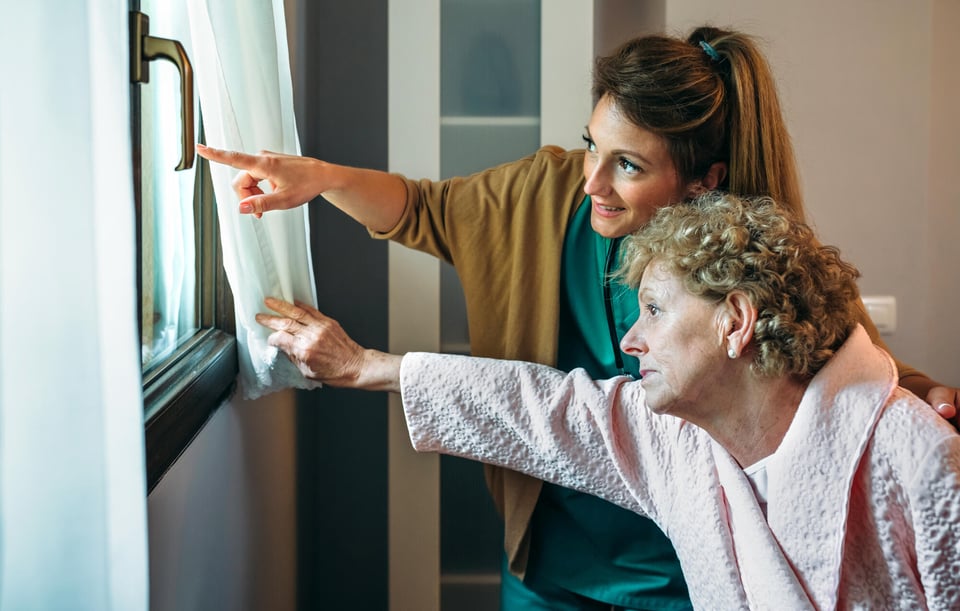
Trained caregivers focus on abilities first, stepping in only when assistance adds value. Assisted living staff offer guidance that protects dignity and keeps residents involved in daily tasks. Support feels collaborative rather than directive.
Encouragement shows through everyday interactions:
- Gentle prompts
- Safe supervision
- Skill reinforcement
- Clear communication
- Respectful assistance
Support empowers ability when help feels like a partnership. Residents stay engaged, capable, and confident in their daily choices.
Environments Designed for Independence
Physical spaces influence how freely residents move and engage. Assisted living layouts promote safety while encouraging self-direction and comfort. Navigation feels intuitive rather than limiting.
Design choices that support independence include:
- Open walkways
- Handrails placed well
- Clear signage
- Comfortable seating
- Accessible layouts
The space supports freedom by removing barriers that slow confidence. Residents move independently without constant assistance or hesitation.
Social Opportunities That Strengthen Autonomy
Social connection supports emotional independence and daily motivation. Assisted living communities offer options without pressure; participation stays voluntary and flexible. Choice keeps engagement enjoyable rather than exhausting.
Opportunities support autonomy through variety:
- Group activities
- Quiet gatherings
- Shared meals
- Creative sessions
- Wellness programs
Connection reinforces independence by building confidence and purpose. Residents choose how to engage while maintaining control over time and energy.
Frequently Asked Questions
What Level of Independence Do Residents Keep in Assisted Living?
Residents keep a high level of independence in assisted living while receiving support tailored to daily needs. Help focuses on safety and comfort without taking over personal routines. That balance allows residents to stay involved in decisions that shape everyday life.
Daily schedules remain flexible. Residents choose when to wake, eat, socialize, or rest. Independence stays intact because support adjusts around personal preferences rather than replacing them.
How Does Assisted Living Adapt as Needs Change?
Assisted living adjusts care gradually as needs shift over time. Staff monitor daily patterns and respond early to changes in mobility, health, or energy. Adjustments happen smoothly without disrupting routines.
Care plans evolve without forcing major lifestyle changes. Support increases where helpful and pulls back when possible. That approach protects independence while ensuring safety remains steady.
Do Residents Control Their Daily Routines?
Residents guide daily routines based on comfort and habit. Assisted living encourages choice around meals, activities, and personal care timing. Structure exists, yet flexibility remains central.
That control reduces stress and builds confidence. When routines reflect personal rhythms, daily life feels familiar and manageable. Independence grows stronger through consistency and choice.
How Do Assisted Living Staff Encourage Independence?
Assisted living staff focus on encouragement rather than replacement of abilities. Caregivers offer prompts, supervision, and assistance only when needed. That method keeps residents involved in daily tasks.
Respect shapes every interaction. Staff communicate clearly and support decision-making. Independence thrives when help feels collaborative instead of controlling.
Is Assisted Living Still a Good Fit for Active Seniors?
Assisted living works well for active seniors who value freedom with added support. Many residents remain socially engaged and physically involved while benefiting from safety and consistency. Support blends into daily life without limiting activity.
Active seniors often appreciate the balance. Independence stays strong while help remains available when needed. That combination supports long-term confidence and well-being.
Assisted Living in Lafayette, IN, Supports Independence Every Day
Assisted living in Lafayette, IN, promotes independence by blending personalized care with flexible routines and respectful daily support. Residents maintain control over schedules, preferences, and activities while receiving assistance that adapts quietly as needs change.
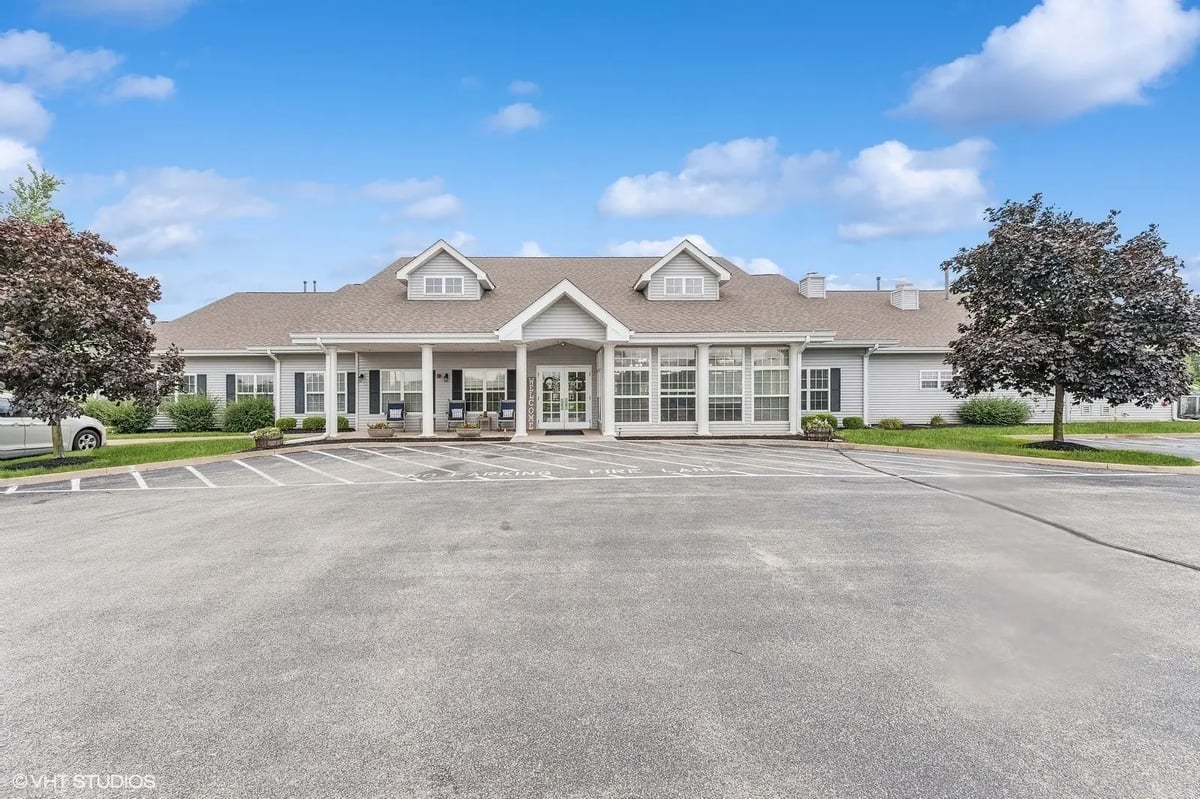
Life at Digby Place honors independence through thoughtful support, familiar routines, and care shaped around personal rhythms. Discover how assisted living in Lafayette, IN, can feel steady, personal, and quietly empowering when every detail is designed with intention. Follow the path toward a lifestyle where confidence stays strong and days unfold with ease; schedule a tour at Digby Place Assisted Living to see how that balance comes to life.